
With any injury, it’s important to keep in mind that we must adopt a holistic approach to overcoming any injury, whether it be a disc bulge, hamstring strain, planter fasciitis, spinal stenosis etc .
In this week’s blog, I’m going to be discussing spondylolisthesis . Spondylolisthesis is essentially where the vertebrae slip forward.
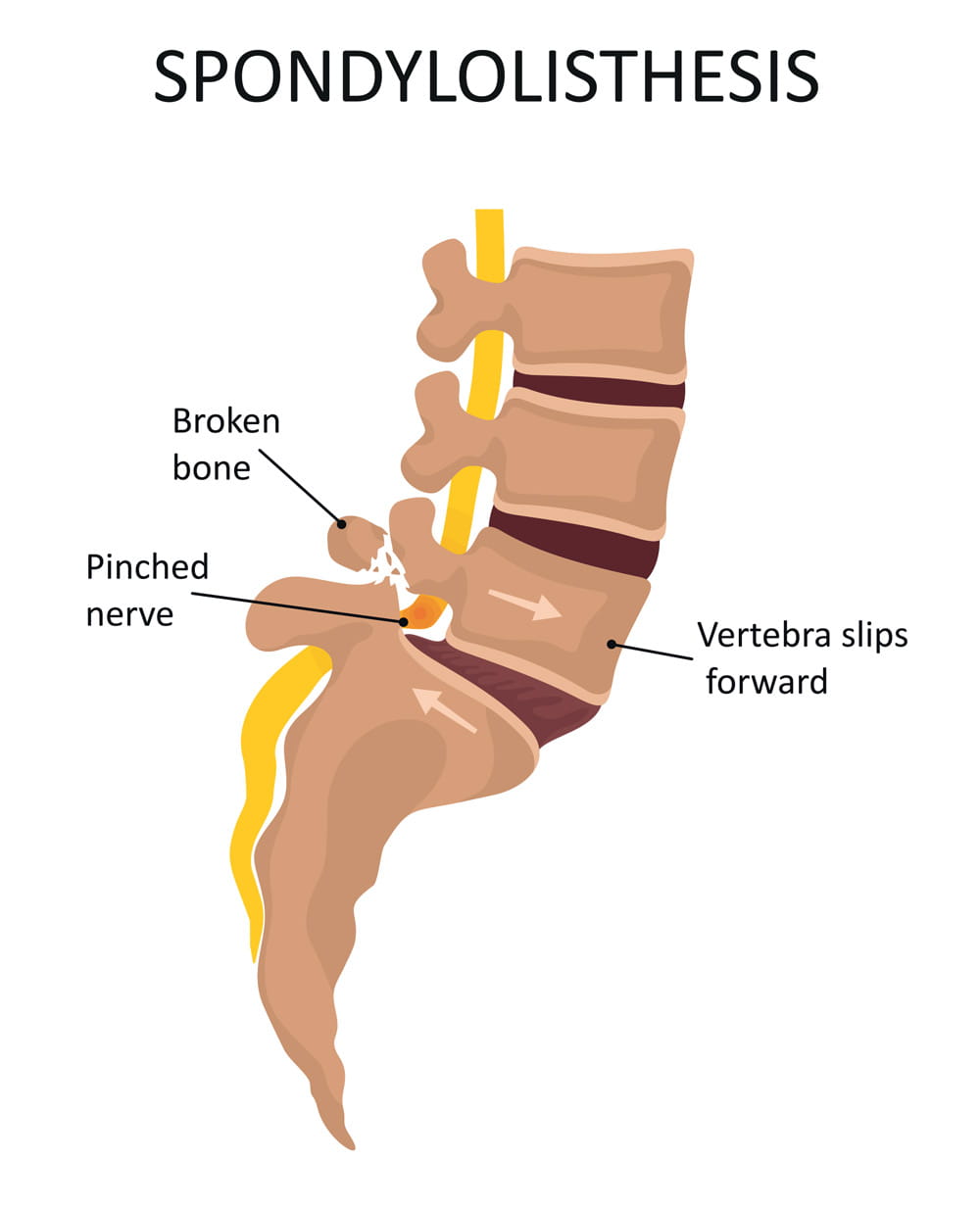
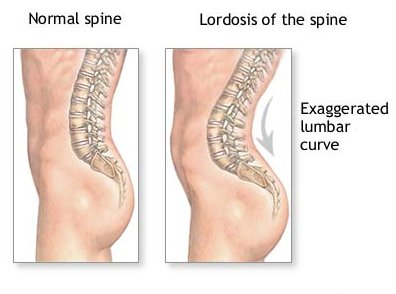
Often my experience has taught me that the clients who have suffered with spondylolisthesis or a slippage of the vertebrae often display a lordosis type posture.
How I work in my practice is to first do a structural and physical assessment to assess
– level of core strength
– posture
– range of motion
– muscle weaknesses
– movement and mobility
– ocular health
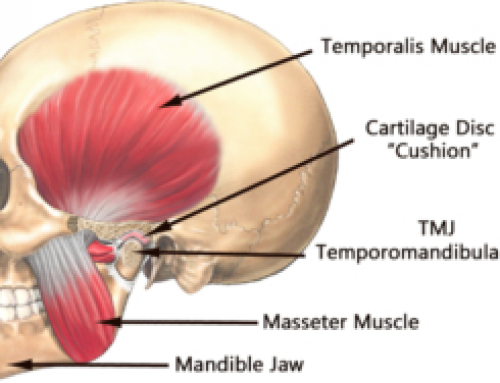
– TMJ ( jaw )
– vestibular system health
I also perform many neurological assessments as the brain is a key player in how these muscles function.
Secondly, I will then do a thorough lifestyle assessment to assess hydration, diet, levels of stress, and the different systems in the body such as digestion, liver function, immune system, hormones, medical information, training goals, and many more. Lab testing can also be offered if required.
Once all this information is gathered it helps me to determine the general overall health of an individual.
Sleep patterns is also something I address as well as food intolerances . Often, when these systems are compromised it creates inflammation in the body which contributes further to pain.
Once all this information is collated together I can create a fully customised, exercise and lifestyle program to alleviate pain and address the root cause of the pain.
The training programs often consist of stretching the tight muscles and strengthening the weak, this will help bring the body back to balance. In conjunction with the principles of a spondylolisthesis. Using very subtle activation exercises for the lower back and strengthening the core is essential when correcting spondylolisthesis. Often exercises like posterior pelvic tilts and glute strengthening work really well if it’s prescribed and progressed in the correct way.
Other approaches that work can be brain based exercises for the eyes and feet to help improve your posture. There a plenty of these on my social media channels. Ultimately it comes down to lowering your susceptibility to pain and when you improve your overall posture the musculoskeletal system can function more efficiently.
In addition I can use acupressure, Gua Sha, and Theragun treatments to increase the speed of your recovery from injury. Furthermore I run my own retreat location in north Leeds, near Harewood house where I have access to a wide range of facilities such as red light therapy, infra red sauna, gym, and treatment room. This is a great accommodation to take time out to reflect on your health and work in your lifestyle.
Providing you use a competent health and fitness professional that is trained in correcting these injuries you can expect to be out of pain within 3-6 weeks with further rehabilitation required.
I have studied with the CHEK Institute for the past 14 years and have been fully trained in treating injuries, such as disc bulges spondylolisthesis, spinal stenosis, ankylosing spondylitis, and many other spinal injuries. I have rehabilitated many of these injuries.
We must understand that with any of these injuries it’s about changing our lifestyle such as how we live , what we eat, how much sleep we get, as well as performing the right exercises. This is the success formula if you are going to get out of pain.
For more information, check out the contact page on my website and I would be happy to discuss any aches or pains that you may have.
You can also check out my blog on analysing joint pain as this expand on some of the points I have discussed.
Click to read about analysing Joint Pain.

Leave A Comment